
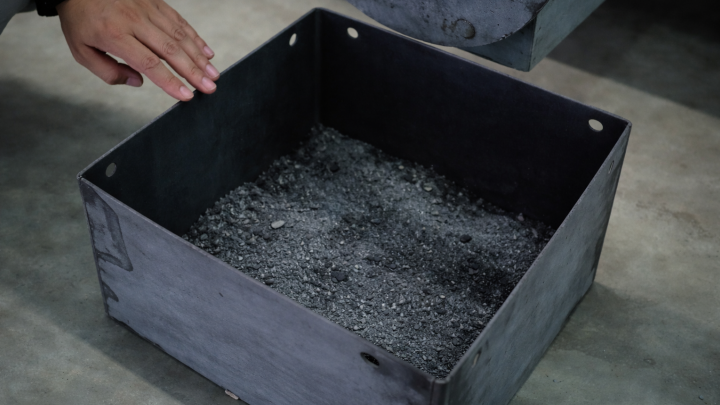
What is ash content?
Ash content is a technical parameter that expresses the ratio of the non-combustible mineral residue left behind after the combustion process of pellet fuel to the total amount of fuel. This value is generally stated as a percentage (%) and is considered an important indicator of the pellet’s purity and production quality. A low ash content shows that the fuel burns in a cleaner and more efficient way, while a high ash content indicates that more residue is produced after combustion.
Ash content is directly related to the quality of the raw material used in pellet production and the level of control in the production process. In pure wood-based and additive-free production, ash content is generally low, whereas in products containing bark, soil, or foreign matter, this ratio increases. For this reason, ash content is considered one of the fundamental criteria determining the product’s quality class.
Low Ash = High Quality
A low ash content means cleaner combustion, less waste, and higher system efficiency.
In technical analysis reports, ash content is generally presented together with other parameters and should not be evaluated entirely on its own. However, since this parameter directly determines post-combustion cleaning needs and in-system buildup, it is one of the values most closely examined by users.
A low ash content leads to less residue during the combustion process, and this directly affects both equipment performance and usage comfort. Especially in long-term use, since ash accumulation may cause serious performance declines within the system, the importance of this parameter increases even further.
Pellets with a high ash content leave more residue after combustion and create buildup in the combustion chamber and chimney system. This buildup negatively affects airflow, reduces combustion quality, and leads to losses in energy efficiency. For this reason, ash content is a critical indicator not only in terms of cleaning, but also in terms of performance.
Ash content is also an important reference point in planning maintenance processes. Fuels with low ash content allow longer maintenance intervals, while high ash content creates the need for more frequent cleaning and maintenance. This also has an indirect effect on operating costs.
For users, ash content is not only a technical figure, but also an important factor that determines the usage experience. Less cleaning, more stable performance, and longer-lasting use are among the main advantages provided by low ash content.
For this reason, in pellet fuel selection, ash content should stand at the center of quality evaluation and should be analyzed together with other technical parameters.
Within this scope, ash content should be regarded as one of the most critical parameters determining both the technical quality of pellet fuel and its effects during use.
How does it affect the cleaning interval?
In pellet fuels, ash content is one of the most critical technical parameters that directly determines cleaning intervals. As the amount of ash produced after combustion increases, the need to clean the residue accumulated inside the equipment also increases at the same rate. This becomes an important operational factor affecting both usage frequency and maintenance planning. Pellets with low ash content, on the other hand, leave less residue and extend cleaning intervals, offering a significant advantage to the user.
The combustion chamber is one of the areas where ash accumulation is most intense, and the residue formed there may gradually restrict airflow and negatively affect combustion quality. When a fuel with low ash content is used, this buildup occurs more slowly and the internal surfaces of the device remain clean for a longer period. This contributes to more stable system operation and reduces user intervention to a minimum.
Less Ash = Less Cleaning
A low ash content creates less buildup inside the device, extends cleaning intervals, and provides ease of use.
A reduction in cleaning frequency is important not only in terms of user comfort, but also in terms of the system’s overall efficiency. Systems requiring less intervention operate more stably, and performance fluctuations that may arise during use are minimized. This creates an important advantage, especially in systems requiring regular operation.
In pellets with high ash content, the need for cleaning arises at shorter intervals. This forces the user to clean more frequently and may increase system downtime. Especially in intensive usage scenarios, such interruptions become an important factor that negatively affects operational efficiency.
The extension of cleaning intervals also has an indirect effect on maintenance costs. In systems requiring less cleaning, labor requirements decrease and maintenance processes can be carried out in a more planned manner. This creates advantages in terms of both time and cost.
In domestic use, cleaning frequency is a factor that directly affects the user experience. Systems requiring less cleaning provide ease of use and increase user satisfaction. For this reason, low ash content is an important preference criterion for household users.
In industrial systems, extended cleaning intervals provide a critical advantage in terms of production continuity. Systems requiring less maintenance can operate uninterrupted for longer periods, and this increases operational efficiency. For this reason, ash content is considered a strategic parameter for industrial users.
Accordingly, the effect of ash content on cleaning intervals is an important factor that directly determines not only maintenance frequency, but also system performance and user experience.
Within this scope, preferring pellet fuels with low ash content provides an important advantage by offering longer cleaning intervals, more stable system performance, and a more comfortable usage experience.
What is its effect on combustion chamber performance?
In pellet fuel, ash content is one of the critical technical parameters directly affecting combustion chamber performance. As the amount of ash generated during combustion increases, the residue accumulated inside the combustion chamber negatively affects the system’s operating efficiency. Over time, this buildup narrows the air inlet channels, disrupts the flame structure, and causes a decline in combustion quality. Pellets with low ash content minimize these risks and provide a cleaner and more stable combustion process.
The ash layer formed inside the combustion chamber is an important factor that directly affects heat transfer. As ash buildup increases, the contact between combustion surfaces and the flame decreases, which leads to a decline in energy efficiency. Thanks to low ash content, this buildup occurs more slowly and the system can operate at optimum performance for a longer time. This provides an important advantage, especially in systems requiring continuous use.
Clean Combustion = High Efficiency
Low ash content reduces buildup in the combustion chamber and creates a more efficient and balanced combustion process.
Ash buildup not only narrows the physical area, but also negatively affects the oxygen flow required for combustion. Insufficient airflow prevents complete combustion and this results in lower energy production. For this reason, low ash content contributes to a more controlled and efficient combustion process.
Irregular ash accumulation inside the combustion chamber may also disrupt flame stability. An unstable flame structure causes fluctuations in system performance and may create negative effects on equipment over the long term. Fuels with low ash content prevent such issues by providing a more homogeneous combustion process.
Pellets with high ash content create buildup more quickly in the combustion chamber, leading to a need for frequent cleaning. This requires the system to be stopped more often and negatively affects operational continuity. Low ash content, on the other hand, optimizes this process and allows longer uninterrupted operation.
Stable combustion performance makes energy production processes more predictable. This is of great importance especially in terms of energy management in industrial facilities. Low ash content is one of the key factors supporting this stability.
Ash content also has an indirect effect on the chimney system. Less ash formation means less buildup inside the chimney, and this positively affects draft performance. As a result, the combustion process becomes more balanced.
Accordingly, combustion chamber performance is directly related to the ash content of the pellet fuel used, and this parameter plays a determining role in the sustainability of system efficiency.
Within this scope, preferring pellet fuels with low ash content positively affects the overall performance of the system by providing cleaner combustion, more stable performance, and higher energy efficiency.
How does it reflect in the maintenance plan?
In pellet fuel, ash content stands out as a directly determining parameter in the creation of maintenance plans. As the amount of residue formed after combustion increases, system components need to be inspected and cleaned more frequently. This increases maintenance frequency and may also make maintenance processes more intensive and costly. Pellets with low ash content significantly reduce this burden and provide a more sustainable maintenance structure.
The combustion chamber, heat exchangers, and chimney systems are among the areas most affected by ash accumulation. Buildup in these areas gradually reduces system performance and creates additional stress on equipment. Thanks to low ash content, this accumulation occurs more slowly in these areas and maintenance intervals can be extended. This contributes to longer uninterrupted system operation.
Low Ash = Less Maintenance
A low ash content reduces maintenance frequency and allows the system to operate efficiently for a longer period.
The ability to apply maintenance plans at less frequent intervals creates an important time advantage for the business. In systems requiring less maintenance, downtime decreases, and this supports production continuity especially in continuously operating facilities. For this reason, ash content is not only a technical value, but also a critical indicator in terms of operational planning.
When pellets with high ash content are used, maintenance processes become more frequent and more intensive. This both increases labor needs and raises maintenance costs. In addition, the need for frequent maintenance may shorten system operating times and lead to efficiency losses.
Low ash content allows maintenance processes to be carried out in a more planned and predictable manner. This balances the workload of maintenance teams and contributes to more efficient management of operational processes. A planned maintenance approach is an important factor that extends system life.
Another important factor reflected in the maintenance plan is equipment life. In systems where less buildup occurs, mechanical wear is lower, and this allows the equipment to operate without problems for a longer period. This also enables investment costs to be distributed over a longer term.
In industrial facilities, optimizing maintenance plans is of great importance in terms of production continuity and cost control. Low ash content is one of the key factors supporting this optimization process. Less maintenance need means higher operational efficiency.
Accordingly, ash content should be regarded as one of the most important technical parameters to be taken into account when preparing maintenance plans, and correct fuel selection forms the basis of this process.
Within this scope, preferring pellet fuels with low ash content provides an important advantage by ensuring lower maintenance needs, longer equipment life, and a more efficient operating process.
Why is it important in domestic use?
In pellet fuel, ash content is one of the most important technical parameters that directly affects the user experience in domestic usage scenarios. Since household pellet stoves and small-scale systems generally operate with manual control and limited maintenance opportunities, the amount of ash produced plays a determining role in user comfort. Pellets with low ash content make daily operation easier by providing cleaner and more practical use in these systems.
One of the most important expectations in domestic use is that the device operates with as little intervention as possible. Low ash content reduces the amount of residue formed after combustion and minimizes cleaning needs. This allows users to clean less frequently and makes the usage process more comfortable.
Comfort = Low Ash Content
In domestic systems, low ash content provides less cleaning, more stable operation, and higher user satisfaction.
Less buildup inside the combustion chamber helps the device maintain more stable performance. This creates a great advantage, especially in situations requiring continuous use in cold weather conditions. A stably operating system ensures that ambient temperature is maintained in a more balanced way.
In domestic use, having a lower ash amount also allows the cleaning process to be completed more quickly and practically. Less residue means less time and effort. This helps users operate the device more efficiently and regularly.
In cases where pellets with high ash content are used, cleaning needs increase and this creates an additional burden for the user. Systems requiring frequent cleaning make the usage process more difficult and may reduce user satisfaction.
Since maintenance in domestic systems is generally carried out by the user, maintenance frequency and ease are of great importance. Low ash content reduces maintenance needs, saves the user time, and ensures that the system works without problems for a longer period.
In addition, low ash content helps keep the internal components of the device cleaner, and this extends equipment life. Less buildup means less wear, and this provides more economical use in the long term.
Accordingly, in domestic use, ash content should be considered not only as a technical figure, but also as an important criterion that determines usage comfort, time management, and the overall user experience.
Within this scope, preferring pellet fuels with low ash content provides an important advantage in domestic use by ensuring a cleaner, more practical, and more efficient experience.
How does it make a difference in industrial use?
In pellet fuel, ash content is not only a quality indicator in industrial usage scenarios, but also a strategic parameter that directly affects operational efficiency. In high-volume and continuously operating systems, the amount of residue formed after combustion plays a determining role in system performance, maintenance frequency, and overall operating costs. For this reason, pellets with low ash content provide a significant advantage in industrial facilities.
In industrial systems, uninterrupted operation is one of the most important performance criteria. Thanks to low ash content, buildup in the combustion chamber and system components remains at a minimum, and this allows the system to operate without stopping for longer periods. This provides a critical contribution in terms of production continuity.
Low Ash = Uninterrupted Production
In industrial systems, low ash content reduces maintenance needs and enables longer periods of uninterrupted operation.
Fuels with high ash content create rapid buildup inside the system, resulting in frequent maintenance and cleaning needs. This increases downtime in production lines and negatively affects operational efficiency. Low ash content minimizes this risk and provides a more stable operating process.
Reduced maintenance processes also offer important advantages in terms of labor management. In systems requiring less maintenance, personnel can devote more time to production-focused processes. This increases overall business efficiency.
Energy efficiency is one of the fundamental elements of cost management in industrial facilities. Thanks to low ash content, the combustion process takes place more efficiently and more energy can be obtained from the same amount of fuel. This advantage creates significant cost optimization in the long term.
Low ash content keeps system components cleaner and extends equipment life. Less buildup means less wear, and this helps equipment operate without problems for a longer time. This also allows investment costs to be used more efficiently.
In terms of emission control, ash content is also an important parameter. Low-ash pellets that provide cleaner combustion contribute to more balanced emission values. This offers an important advantage in terms of environmental compliance as well.
Accordingly, low ash content should be considered in industrial facilities not only as a technical preference, but also as a strategic decision criterion in terms of operational sustainability and cost management.
Within this scope, preferring pellet fuels with low ash content makes an important contribution to creating a more stable, efficient, and sustainable operational structure in industrial use.
With which other data should it be read in technical evaluation?
Although ash content is an important quality indicator in pellet fuel, evaluating it on its own is not sufficient. Real performance and efficiency analysis can only be carried out correctly when ash content is considered together with other technical parameters. When evaluated together with key data such as moisture content, density, and calorific value, the overall performance potential of the fuel becomes much clearer.
Moisture content is one of the most critical parameters that should be evaluated together with ash content. If a pellet with low ash content has high moisture, energy loss occurs during combustion and this reduces overall performance. For this reason, low ash content gains its real value when combined with low moisture, and actual efficiency is determined by the balance of these two parameters.
Holistic Data = Correct Performance
Evaluations made without analyzing ash content together with moisture, density, and calorific value may produce misleading results.
Density value expresses the pellet’s energy carrying capacity and should be evaluated together with ash content. A pellet with low ash content but low density may cause shorter combustion duration and require more fuel consumption. For this reason, density is a critical parameter in terms of sustainable performance.
Calorific value shows the pellet’s energy production capacity, but this value alone is also not sufficient. A pellet with a high calorific value may, if its ash content is high, create buildup inside the system, and this may lead to performance loss in the long term. Therefore, calorific value and ash content should be analyzed together.
Mechanical durability is another important parameter that should be taken into account in technical evaluation. A pellet with low ash content but low durability may break apart during transport and storage, creating dust. This may lead to problems in feeding systems.
Evaluating technical data together allows correct comparison between different products. This approach makes it possible to focus not only on the lowest ash content, but on the product offering the most balanced performance. This enables a more accurate and sustainable choice.
The usage scenario should also be taken into account in technical evaluation. In domestic use, low ash content may be more prominent, while in industrial use the balance of all parameters becomes more critical. Therefore, evaluation should be made according to the intended use.
Accordingly, ash content gains its real meaning when considered together with other technical parameters, and correct fuel selection becomes possible through this holistic analysis approach.
Within this scope, analyzing all parameters together during the technical evaluation process stands out as the most important approach for ensuring that pellet fuel is used efficiently, safely, and sustainably.